Uncover the Realm of Fair Trade Tea: Excellent Brews That Foster Sustainable Practices
Fair Trade tea represents a perfect blend of excellence and moral values. Each cup delivers a distinctive taste experience while supporting sustainable farming practices. This approach not only enhances the tea experience but also empowers marginalized farmers. Comprehending its origins and verification standards reveals deeper layers of importance. As buyers become more aware of their decisions, the impact of Fair Trade tea goes beyond taste. What lies beneath the exterior of these selections?
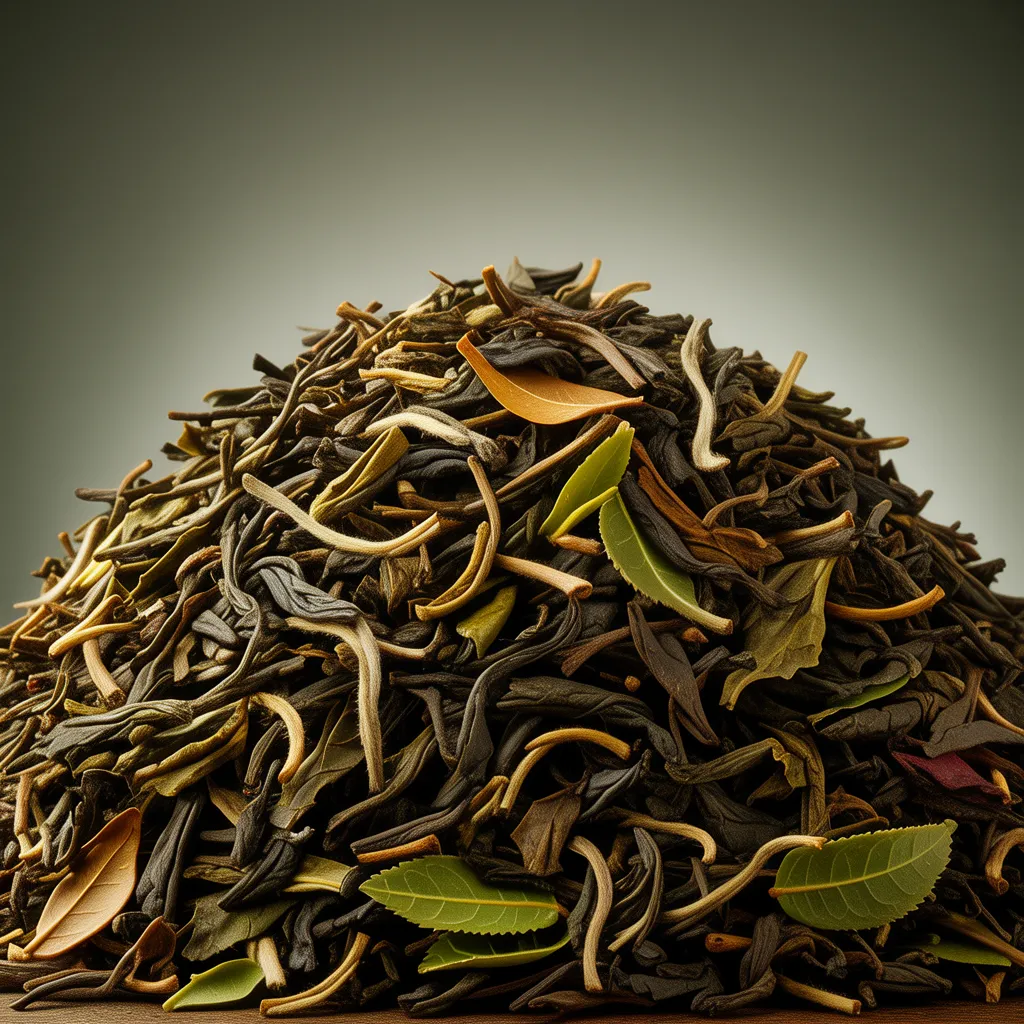
Learn the Foundations of Fair Trade Tea
Fair Trade tea traces back to the social and economic initiatives designed to enhance the livelihoods of marginalized farmers. Beginning in the final decades of the 1900s, this initiative attempted to address disparities in international commerce, especially in emerging markets where tea is often cultivated. The initiative gained momentum as shoppers became progressively conscious of the difficult conditions experienced by small-scale farmers, such as unfair pricing and abuse by major companies.
By utilizing collaborative frameworks, Fair Trade aimed to empower these farmers, guaranteeing they received fair payment and support for sustainable farming practices. The movement also concentrated on promoting ecological stewardship, promoting organic farming and biodiversity. As awareness grew, Fair Trade tea turned into a representation of ethical consumption, connecting consumers directly with the origins of their beverages. By choosing Fair Trade tea, individuals contribute to a larger goal of social justice and economic equity, fostering a more sustainable future for tea-growing communities.
Comprehend ethical commerce for green practices
Understanding Fair Trade certification is important to identifying how sustainable practices are maintained within the tea industry. This certification assures that producers receive fair wages and work under safe conditions, which directly advances community development. Fair Trade standards advance environmentally sustainable farming methods, reducing the use of harmful chemicals and encouraging biodiversity.
Certification promotes openness in the supply chain, enabling consumers to track their tea back to its source. By adhering to these guidelines, farms undertake practices that safeguard environmental assets and support local ecosystems. Additionally, Fair Trade organizations often provide learning materials and training to farmers, enabling them to enhance their production methods and financial security.
Ultimately, Fair Trade certification not only improves the standard of tea but also aligns consumer choices with ethical and eco-friendly values, making it an essential aspect of the tea industry's dedication to social responsibility and environmental stewardship.
Browse Premium Varieties of Fair Trade Tea
While many tea connoisseurs value the rich flavors and aromas of assorted teas, discovering the top varieties of Fair Trade tea unveils a more substantial pledge to moral sourcing and green practices. Some popular options feature Fair Trade Assam, celebrated for its bold, malty taste, and Fair Trade Darjeeling, often referred to as the "Champagne of teas" for its delicate floral notes. Another prominent variety is Fair Trade Earl Grey, steeped with bergamot, supplying a unique citrus twist.
Additionally, Fair Trade Green Tea, praised for its invigorating qualities and health benefits, is increasingly preferred among health-conscious consumers. Herbal blends, such as Fair Trade Chamomile and Peppermint, also shine, delivering soothing and calming effects. Each of these varieties not only delivers exceptional flavor but also supports farmers and communities working for better livelihoods, making them a responsible choice for tea lovers seeking quality and ethical assurance.
Brewing Fair Trade Tea: Advice for an Outstanding Cup
To prepare the perfect cup of Fair Trade tea, careful attention is essential, since the right methods can improve the tea's distinctive notes and aromas. Initially, the quality of water is key; using spring water guarantees a crisp taste that allows the tea's features to come through. The water temperature is also vital; different tea varieties require exact temperatures; boiling water suits black tea and cooler is preferred for green or herbal varieties.
Subsequently, the brewing duration must be carefully followed. Excessive steeping can result in bitterness, while insufficient steeping may not extract the full flavor profile. A general guideline is 3-5 minutes for black tea and 2-3 minutes for green tea.
In conclusion, getting the ideal tea-to-water ratio enhances the flavor; one teaspoon of loose tea per cup is a fine starting point. By heeding these tips, tea devotees can truly enjoy the rich offerings of Fair Trade tea.
Environmental Advantages of Fair Trade Tea
Brewing Fair Trade tea not only enhances the tea encounter but also promotes sustainable agricultural practices that benefit the ecosystem. Fair Trade accreditation motivates farmers to use natural cultivation techniques, which minimize the dependence on damaging chemicals and synthetic inputs. This method fosters biodiversity, helping to preserve local habitats and safeguard animal sanctuaries.
Moreover, Fair Trade practices often underscore soil health and water conservation, ensuring that tea cultivation does not exhaust essential resources. By helping small-scale farmers, Fair Trade also advocates for agroforestry, which integrates tea cultivation with other crops and trees, further enhancing environmental resilience.
Furthermore, Fair Trade tea often involves environmentally friendly packaging and transportation methods, reducing the greenhouse gas emissions associated with its distribution. Ultimately, selecting Fair Trade tea demonstrates a conscious effort to advance a increasingly eco-friendly farming approach that respects both the Earth and its inhabitants.

The Way Your Tea Choice Supports Societies Worldwide
Investing in Fair Trade tea bolsters worldwide populations by delivering agricultural workers with fair remuneration and superior working conditions. This commitment assures that tea cultivators can maintain their livelihoods while supporting their families and local economies. By acquiring Fair Trade tea, end consumers promote the expansion of significant local services, like education and healthcare.
Fair Trade accreditation promotes ethical practices, demanding businesses to follow standards that emphasize workers' rights and ecological responsibility. As a result, growers are incentivized to grow high-quality tea, which not just improves their income but also fosters satisfaction in their craft.
Additionally, the direct trade relationships formed through Fair Trade eradicate predatory middlemen, allowing farmers to engage with consumers worldwide. This transparency nurtures trust and inspires a global admiration for the cultural relevance of tea. Ultimately, each cup of Fair Trade tea functions as a testament of the positive impact individuals can check now have on international societies through mindful consumption.
Regularly Asked Questions
How Can I Identify Fair Trade Tea Items in Stores?
To pinpoint consciously sourced tea selections in stores, one should hunt for accredited stamps, such as Fair Trade Certified or Rainforest Alliance. Additionally, looking into companies committed to ethical sourcing can contribute to making informed choices.
Can You Find Any Health Benefits Related to Fair Trade Tea?
Fair trade tea may deliver various wellness benefits, featuring antioxidants that support heart health, improved digestive health, and sharper mental clarity. Also, environmentally conscious sourcing methods facilitate sustainable farming, helping advance a healthier ecosystem and improved societal well-being.
Is it Feasible to Source Fair Trade Tea On Digital Shopping Platforms?
Yes, responsibly sourced tea is commonly found in e-commerce sites. Various companies offer a variety of selections, ensuring consumers can easily access sustainable choices that support both sustainability and fair labor practices.
How Does Fair Trade Tea Influence Local Economies?
Fair trade tea positively impacts local economies by ensuring farmers receive equitable pay, fostering community development, and encouraging sustainable farming practices. This support enhances livelihoods, promotes economic stability, and empowers communities to direct funds toward education and healthcare.
How Can I Keep Fair Trade Tea to Guarantee Maximum Freshness?
To boost freshness, fair trade tea should be stored in a sealed jar, protected from light, strong odors, and humidity. Maintaining it in a dark, cool location helps protect its scent and taste over time.